
 th
th 

Fire Extinguisher Valve Definition and Its Role in Safety Systems
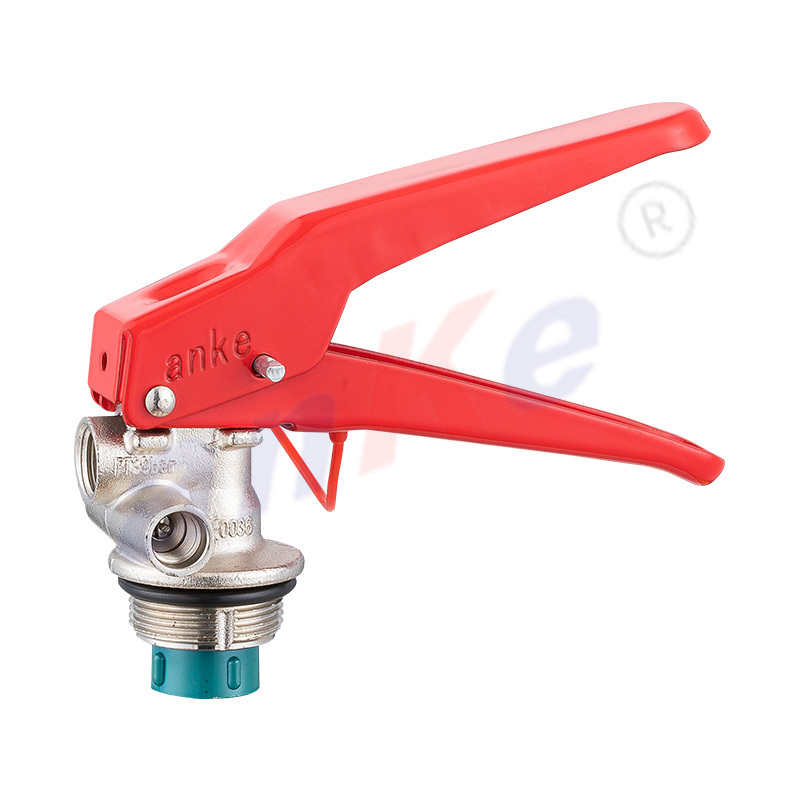
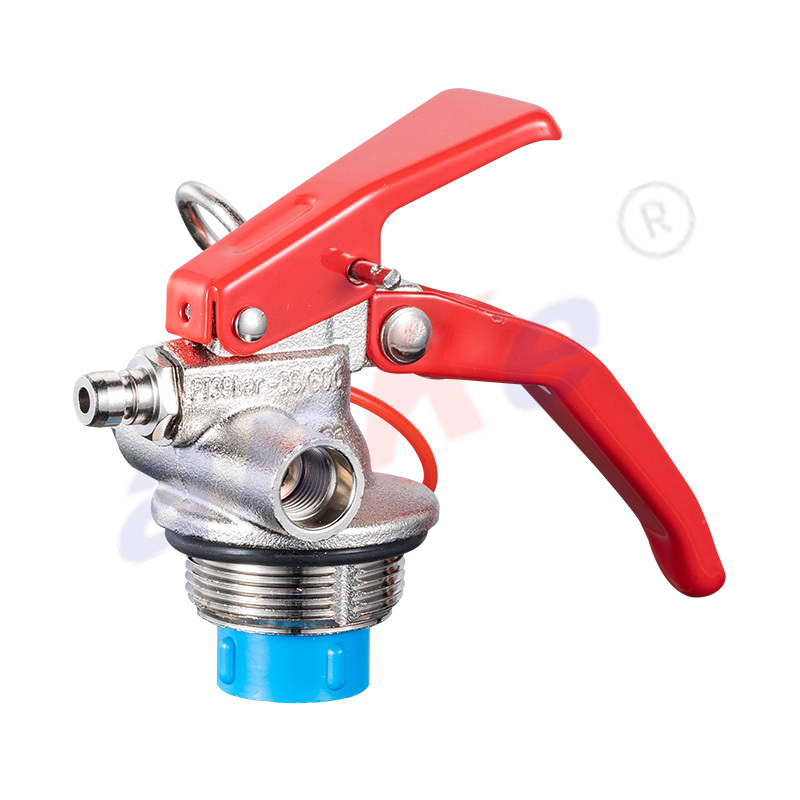
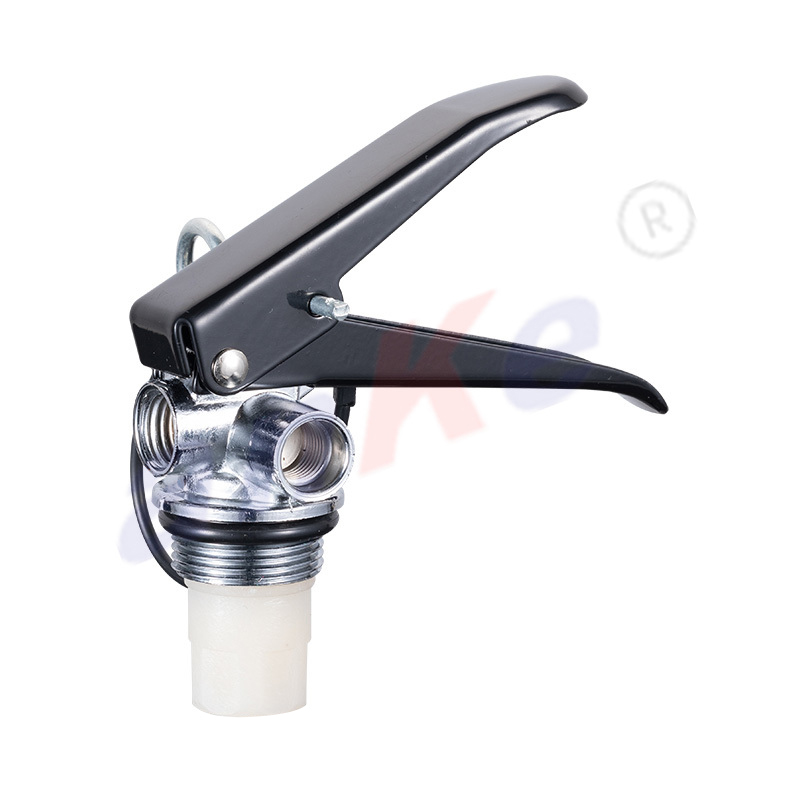
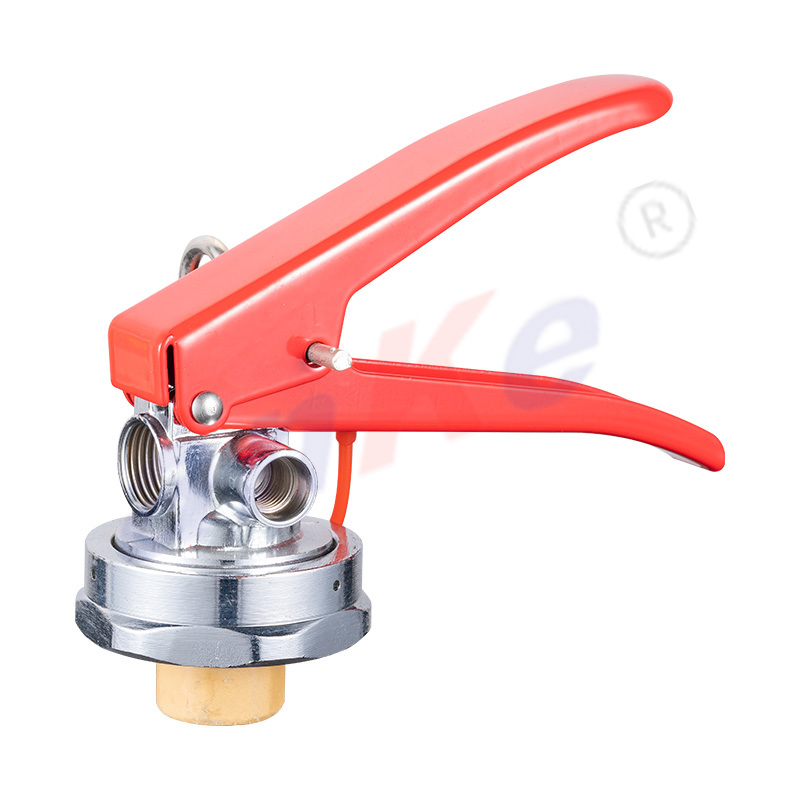
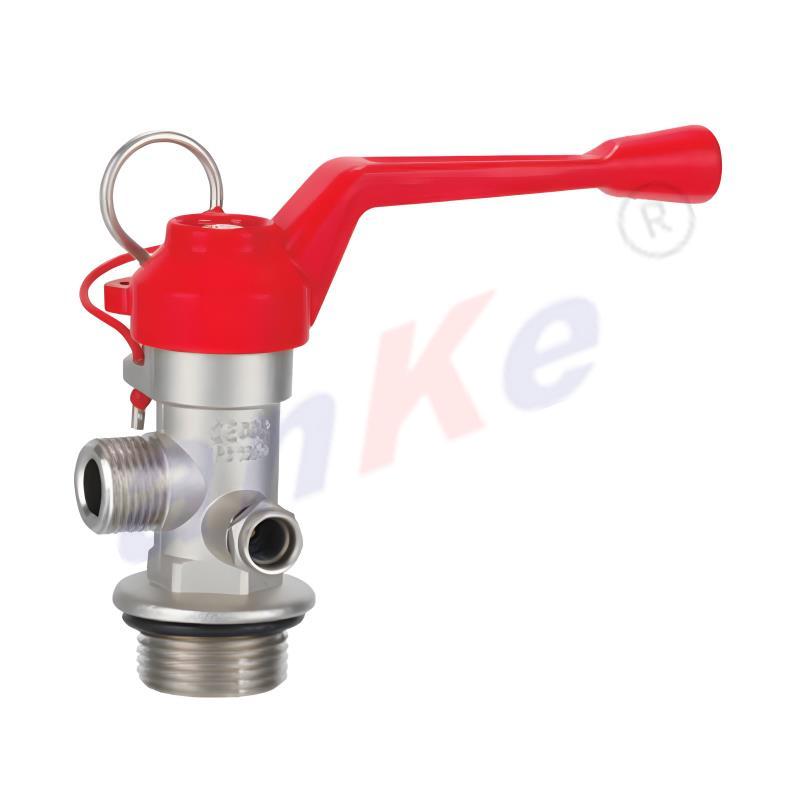
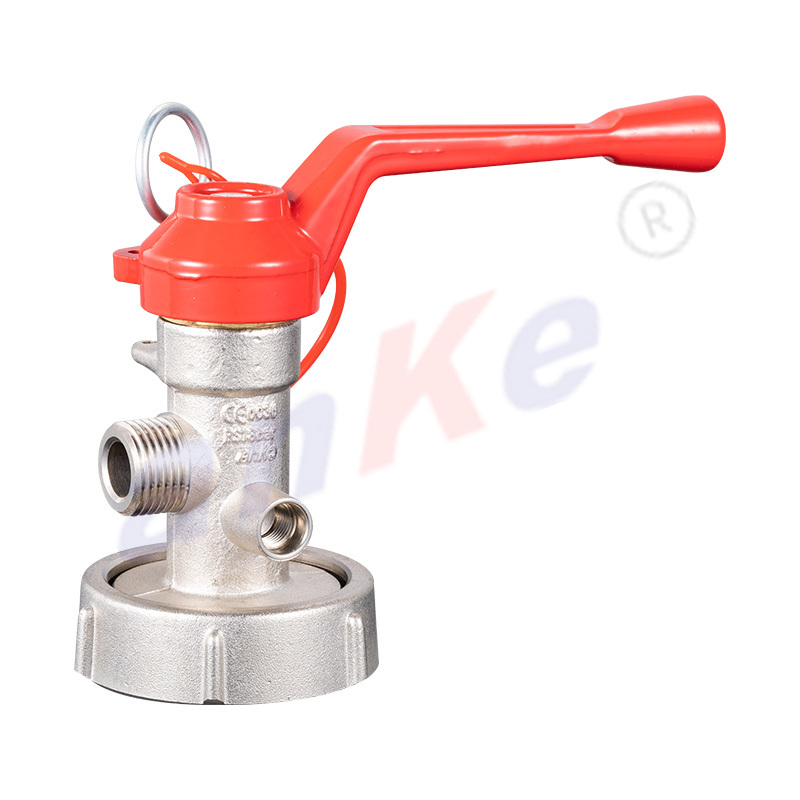
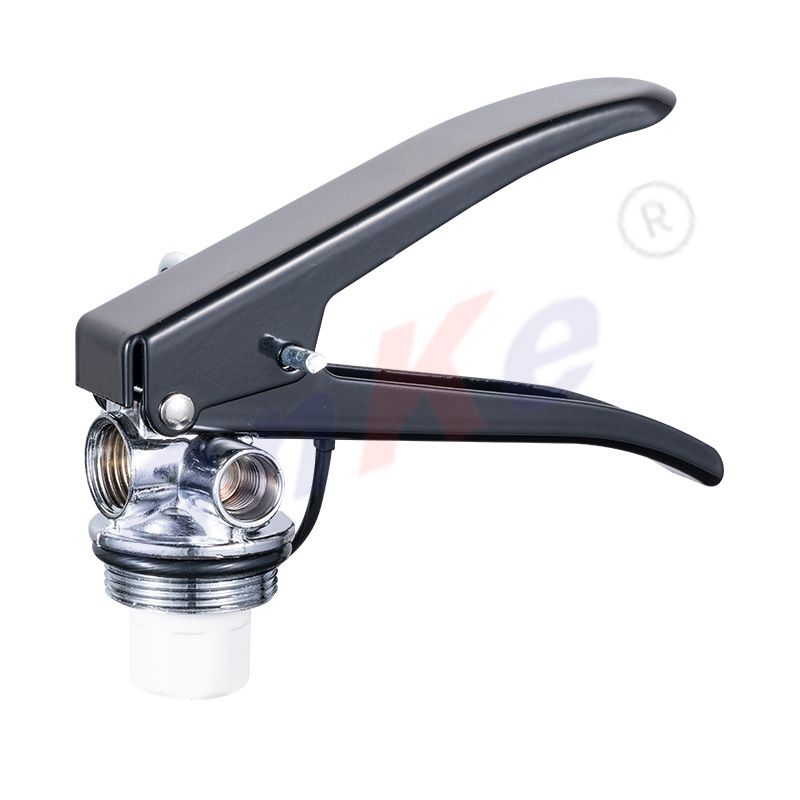
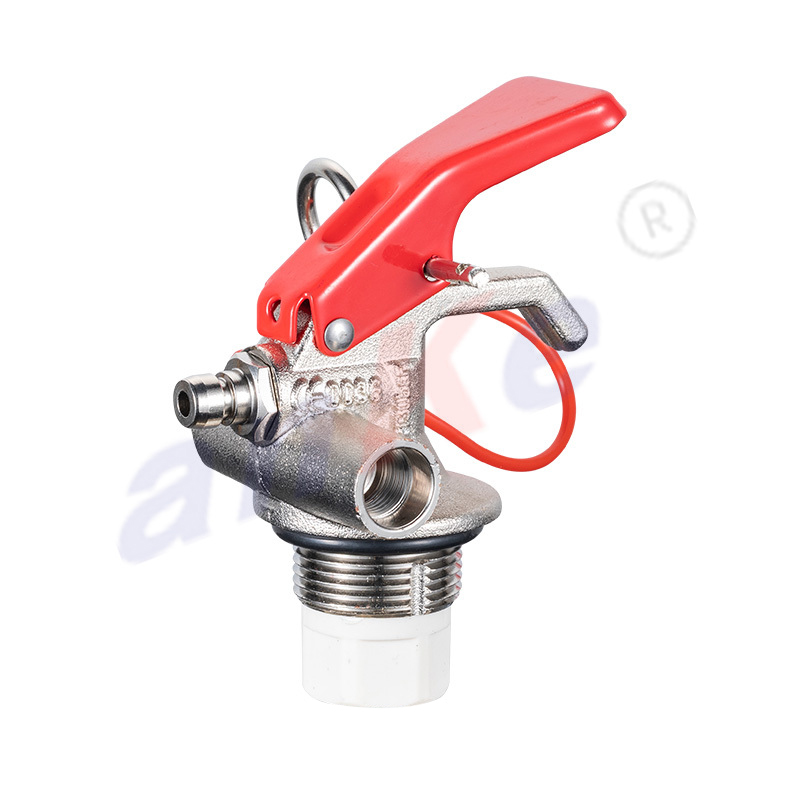
The Fire Extinguisher Valve is the device installed at the top of the fire extinguisher cylinder that controls the release of the extinguishing agent, such as powder, gas, or water. In a non-use state, it must maintain absolute airtightness for many years to prevent the leakage of propellant gas; at the moment of a fire, it must open smoothly to ensure the extinguishing agent is sprayed at the predetermined pressure and flow rate.
- Guardian of the Pressure Vessel : The interior of a fire extinguisher is filled with high-pressure propellant gas (such as nitrogen or carbon dioxide). The Fire Extinguisher Valve bears continuous internal pressure, and any minor material fatigue or seal failure will cause the fire extinguisher to fail at a critical moment.
- Flow Control Center : Extinguishing efficiency depends on the amount of agent sprayed per unit of time. The internal flow channel design of the Fire Extinguisher Valve directly affects the spray distance and coverage area.
- Safety Assurance : When the ambient temperature rises, causing the internal pressure to increase abnormally, the pressure relief device on the Fire Extinguisher Valve will automatically activate to prevent a physical explosion of the cylinder.
Fire Extinguisher Valve Anatomy: Structure and Components
Understanding the structure of the Fire Extinguisher Valve helps distinguish high-quality valves from inferior imitations. A standard industrial-grade valve typically consists of the following core components:
Valve Body
The valve body is the skeleton of the entire assembly. Most high-performance Fire Extinguisher Valves are made from hot-forged brass. Compared to casting processes, forging significantly eliminates internal pores and enhances metal density, allowing it to withstand working pressures up to 2.5 MPa or higher.
Handle and Lever
This is the part most frequently interacted with by the user. The handle is used to carry the fire extinguisher, while the lever is responsible for driving the valve stem.
- Material Selection : Usually made of stainless steel or carbon steel with electrophoretic treatment to prevent rusting and jamming in humid environments.
- Mechanical Design : An excellent Fire Extinguisher Valve will have a reasonable leverage ratio, allowing adults or even users with less strength to press it down easily.
Valve Stem and O-Rings
This is the most fragile and critical part of the Fire Extinguisher Valve .
- Valve Stem : Usually made of stainless steel, requiring extremely low surface roughness to reduce friction with the seal.
- Sealing Rings : Often made of EPDM or Viton. These materials must remain elastic within a temperature range of -40°C to 60°C without permanent deformation.
Safety Pin and Tamper Seal
The safety pin passes through the lever and handle to prevent accidental activation. The tamper seal serves as visual evidence that the Fire Extinguisher Valve has not been used.
Parameter Comparison of Fire Extinguisher Valves for Different Agents
Due to the huge differences in the physical and chemical properties of different agents (dry powder, CO2, water-based), the design parameters of the corresponding Fire Extinguisher Valve also differ significantly. The following table shows a comparison of core parameters for common types:
| Performance Indicator | Dry Powder Valve | Carbon Dioxide (CO2) Valve | Water/Foam Valve |
| Typical Working Pressure | 1.2 to 1.7 MPa | 5.0 to 15.0 MPa | 1.0 to 1.5 MPa |
| Primary Material | Forged Brass / Aluminum Alloy | Heavy-duty Forged Brass | 304/316 Stainless Steel or Anti-corrosion Brass |
| Sealing Form | Soft Seal (Rubber Seat) | Hard Seal or Reinforced PTFE | Rubber Seal Anti-corrosion Gasket |
| Discharge Control | Intermittent (Closable) | Continuous or Controlled | Continuous |
| Inlet Pipe Interface | Threaded Siphon Tube | Straight-through High Pressure | Interface with Filter Screen |
| Corrosion Resistance | Standard | Medium | Extremely High (Anti-clogging) |
Technical Detail Analysis
CO2 Valve Pressure Challenge : Since CO2 is stored as a liquid at room temperature, its vapor pressure is extremely high. Therefore, a Fire Extinguisher Valve used for CO2 must have a very thick wall and is usually equipped with a dedicated burst disc pressure relief device, with the opening pressure typically set at 22.5 /- 2.5 MPa.
Dry Powder Valve Anti-clogging Design : Dry powder particles are extremely fine and prone to clumping when damp. The internal flow channel of the Fire Extinguisher Valve must be smooth and avoid dead ends to prevent powder accumulation at the valve seat, which would prevent complete closure.
Water-based Valve Chemical Stability : Water-based agents (especially foam additives) are somewhat corrosive. The internal springs and valve stems of these Fire Extinguisher Valves must use high-grade stainless steel; otherwise, long-term immersion will cause spring failure, preventing the valve from returning.
Manufacturing Process and Material Science
The manufacturing of a Fire Extinguisher Valve is a test of material mechanics and environmental endurance. High-performance valves must maintain reliability for 5 to 10 years in extreme industrial environments.
- Hot Forging vs. Casting : High-quality Fire Extinguisher Valve bodies are almost all hot-forged. Compressing the brass rod at high temperatures aligns the metal grain flow with the valve contour. In contrast, cast valves are prone to microscopic pores, which lead to slow leakage under high pressure.
- Precision CNC Machining : The fit between the valve seat and the valve stem requires micrometer-level precision. If the surface roughness of the Fire Extinguisher Valve seat exceeds standards, the seal ring will suffer shear damage under long-term pressure, causing the pressure gauge to slide down slowly.
- Surface Treatment : To handle humid or salt spray environments, valve surfaces are treated with Nickel/Chrome Plating or Polyester Powder Coating.
Safety Relief Mechanism: Burst Disc Application
The burst disc is the final "safety insurance" in a Fire Extinguisher Valve design. When a fire extinguisher is exposed to extreme heat, the internal gas expands, and pressure may exceed the cylinder's yield limit.
- Physical Principle : The burst disc is a precision-calculated thin metal sheet. When pressure reaches the set threshold, the sheet physically ruptures to release pressure in a directed manner.
- Set Parameters : For high-pressure CO2 Fire Extinguisher Valves , the burst disc action pressure is strictly set within 22.5 /- 2.5 MPa.
- Irreversibility : Once the burst disc activates, the pressure in the Fire Extinguisher Valve is exhausted. This prevents cylinder explosions.
Installation and Maintenance Manual
Installation Technical Points
Torque Control : Use a torque wrench when installing the Fire Extinguisher Valve to the cylinder. Excessive torque can damage threads, while too little leads to poor sealing.
Thread Sealant : Usually, an anaerobic sealant is used. It hardens in the absence of oxygen within the thread gaps, providing both a seal and preventing the valve from loosening due to vibration.
Daily Maintenance Checklist
- Visual Inspection : Check the Fire Extinguisher Valve surface for green oxidation layers or cracks.
- Pressure Testing : Every 5 years, the valve should be removed for hydrostatic strength testing of the cylinder and valve.
- Operating Force Test : In a maintenance environment, test if the lever opening force meets standards (usually not exceeding 200 N).
Industry Standards and Parameter Comparison Table
| Test Item | CE (EN3-7) Standard | UL (UL299) Standard | Remarks |
| Burst Pressure Test | 4 times the working pressure | 6 times the working pressure | Ensures mechanical strength |
| Operating Temp Range | -30C to 60C | -40C to 49C | Seal material stability |
| Cycle Life | At least 500 open/close cycles | At least 1000 open/close cycles | Wear resistance |
| Salt Spray Resistance | 240 hours | 480 hours | Simulates corrosive environments |
| Drop Test | No leakage after 1m drop | Drop to hard ground from 2ft | Simulates transport accidents |
Troubleshooting Common Faults
Slow Pressure Loss : Usually a damaged valve seat seal inside the Fire Extinguisher Valve . Tiny particles become embedded in the rubber seal surface. Remedy: Depressurize, clean the seat, and replace the O-ring.
Stuck Valve Stem : Dried lubricant or accumulated hardened powder inside the Fire Extinguisher Valve . Remedy: Clean the stem guide hole and apply specialized grease.
Inconsistent Spray or Sudden Pressure Drop : The siphon tube at the bottom of the Fire Extinguisher Valve is loose or detached. Remedy: Re-secure the connection.
FAQ and Popular Science
Q: Can Fire Extinguisher Valve thread specifications be used across brands?
A: Not recommended. While some standard threads exist, different manufacturers have variations in sealing step depth and siphon tube lengths. Mixing them can lead to seal failure.
Q: Why are some Fire Extinguisher Valves plastic and others brass?
A: Plastic Valves offer corrosion resistance and low cost for small water extinguishers. Metal Valves offer better high-temperature performance and extreme strength for high-pressure systems.
Q: Must the valve be replaced after the fire extinguisher is used?
A: Yes. Especially with dry powder, once opened, fine powder permanently destroys the sealing surface of the Fire Extinguisher Valve .
Q: How does extreme temperature affect Fire Extinguisher Valve performance?
A: Below -40C, seals undergo vitrification and lose elasticity. Above 60C, seals suffer permanent compression set.
Q: How to identify if a Fire Extinguisher Valve has reached its end of life?
A: Look for the production year stamped on the valve base. Most should undergo evaluation or replacement every 5 to 10 years.
Valve Seal Material Performance Comparison
| Seal Material | Temp Range | Chemical Resistance | Physical Strength | Application Scenario |
| Nitrile (NBR) | -20C ~ 100C | Average | High | Standard Dry Powder Valves |
| EPDM | -40C ~ 120C | Excellent | Medium | Water/Foam and Outdoor |
| Viton | -15C ~ 200C | Very Strong | Medium | Clean Gas and Chemical Valves |
| Silicone | -60C ~ 200C | Average | Low | Extreme Cold or Heat Valves |
 Phone: +86-13456107058/+86-15967800709
 Tel: +86-574-62010128/+86-574-62010688
 E-mail:
  Factory: หมู่บ้าน Huilong, เมือง Huangjiabu, Yuyaocity, มณฑลเจ้อเจียง, จีน





 ผู้จัดการการค้าในประเทศ
 ผู้จัดการการค้าต่างประเทศ
 VR Catalogue3
